The service life of a handrail is never determined solely by its material and craftsmanship. All too often, improper daily usage and negligent maintenance can cause high-end handrails—such as our rubber handrails and polyurethane handrails, which are designed to last 6 to 8 years—to be scrapped 2 to 3 years early. This not only increases replacement costs but also creates potential safety hazards. These hidden causes of wear are often concealed in easily overlooked details. To avoid such wear in advance, you can read our blog How to Choose Handrail Materials? Rubber vs. Polyurethane – A Durability Comparison to understand the wear differences between handrails of different materials and take targeted protective measures.
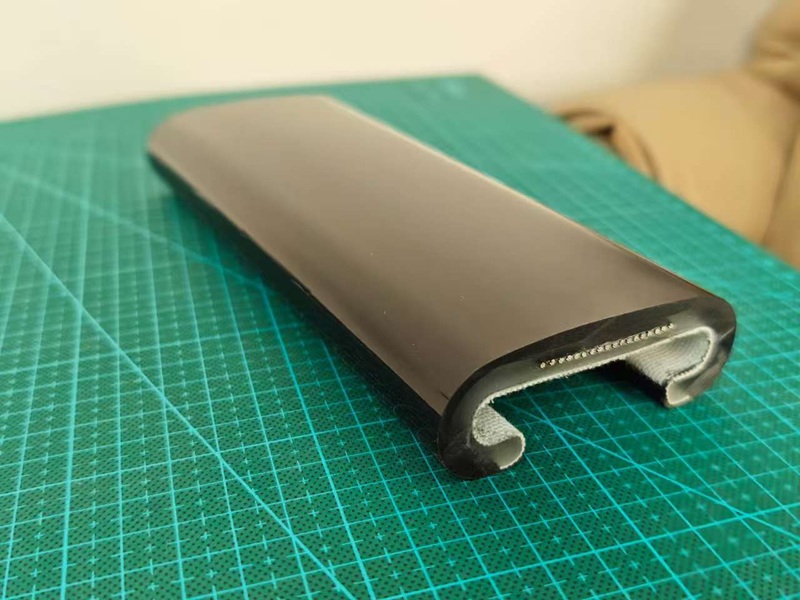
Leaning the entire body against the handrail is the most common "killer".Handrails are designed to withstand only gripping force. Leaning on them causes localized overload, leading to deformation of the internal steel wire frame and bulging of the rubber surface due to extrusion. Over time, this damages interlayer adhesion and causes delamination and debonding.
Scratches from sharp objects and impacts from high-heeled shoesAccidental scratches from sharp objects and impacts from high-heeled shoe heels leave fine marks on the rubber surface. These marks gradually expand with repeated friction and eventually develop into cracks, allowing water and oil to seep in and corrode the steel wires—this wear is even more pronounced for black wear-resistant handrails, which are commonly used in high-traffic scenarios such as shopping malls and subway stations.
Direct wiping with strong acid-alkali cleaners, alcohol, or disinfectant damages the vulcanized structure of the rubber surface, leading to hardening, powdering, and loss of elasticity in the rubber.
In some scenarios, vigorous scrubbing with a hard-bristled brush for cleaning efficiency wears down the surface rubber, reducing anti-slip performance and shortening the service life of the surface layer.
Unbalanced tension adjustment is a core issue. Excessively loose tension causes the handrail to slip and rub, exacerbating wear on the drive wheel and surface layer; excessively tight tension keeps the steel wire frame in a constant state of tension, accelerating fatigue and fracture.
Neglecting speed difference calibration and failing to promptly remove debris between the handrail and side panels intensifies localized friction, leading to abnormal heating and further aging of the rubber and adhesive layers.
Proper maintenance cannot be achieved without professional tools. We recommend using our handrail joint tools to ensure standardized maintenance operations and reduce human-induced wear.
Following standardized practices can significantly extend the service life of handrails. Simple actions such as avoiding leaning on handrails, keeping sharp objects away, wiping with a neutral cleaner and soft cloth, accurately adjusting tension during maintenance, and regularly removing debris can extend the handrail's service life by more than 30%. Caring for handrails properly not only reduces operation and maintenance costs but also builds a solid safety line for travel.
Contact: Jimmy
Whatsapp: +8613524534345
Email: jimmy@linzhichina.com
Add: No.15, Lane 518, Xin Bo Rd. Song Jiang, Shanghai, 201607, P.R. China